
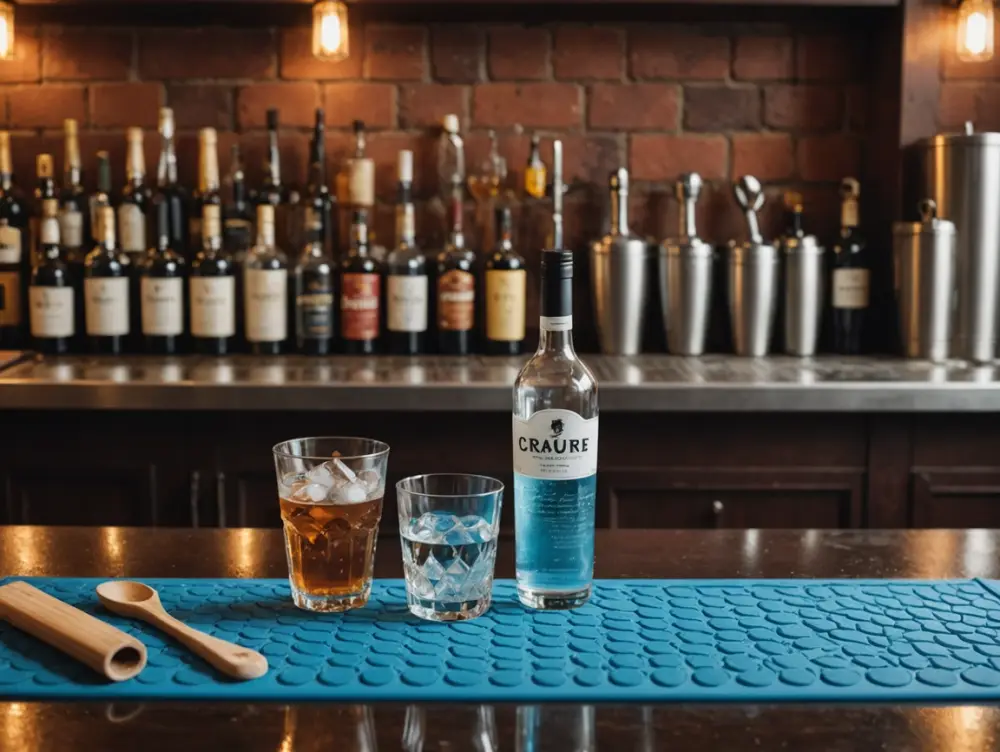
Bar runners take a beating. They catch every spill, absorb every drip, and sit under glassware, bottles, and shakers all night long. If you’re not cleaning yours regularly, it’s going to look — and smell — like it. This guide covers the right way to clean every type of bar runner, how often to do it, and what mistakes to avoid.
What Is a Bar Runner?
A bar runner is a long, narrow mat that sits on top of a bar counter — covering the full length of the serving or mixing area. Unlike a standard bar mat (which covers a small section), a runner spans the bar and provides continuous surface protection from end to end.
Bar runners come in several materials, and each one needs a different cleaning approach:
- Silicone runners — non-porous, heat-resistant, dishwasher safe
- Rubber/PVC runners — the commercial bar standard, durable but porous
- Fabric/cotton runners — decorative, absorbent, machine washable
- Nitrile-backed runners — printed fabric top with rubber backing
How to Clean a Silicone Bar Runner
Silicone is the easiest material to clean because it’s non-porous — nothing absorbs, so everything wipes or washes off completely.
Daily Cleaning
- Remove the runner from the bar surface
- Rinse under warm running water
- Wipe with a soft cloth or sponge to remove any sticky residue
- Shake off excess water and lay flat or hang to air dry
Weekly Deep Clean
- Place the runner on the top rack of your dishwasher
- Run on a normal cycle — no special detergent needed
- If it’s too long for the dishwasher, hand wash in the sink with warm water and dish soap, using a soft brush on the grooves
- Air dry completely before replacing on the bar
Removing Stubborn Stains or Odors
Silicone rarely retains stains, but if something lingers after a heavy session:
- Soak in warm water with 2 tablespoons of baking soda for 30 minutes
- Scrub grooves with a soft brush
- Rinse thoroughly and air dry
Our Premium Bar Mat and Bar Mat Set are both heavy duty rubber and dishwasher safe, built for exactly this kind of daily cleaning routine.
How to Clean a Rubber Bar Runner
Rubber runners are more porous than silicone, so they need a bit more effort to keep fresh.
Daily Cleaning
- Remove from the bar surface
- Rinse under warm water to flush out trapped liquid from the grooves
- Scrub with a soft brush and mild dish soap — get into the drainage channels where liquid collects
- Rinse thoroughly to remove all soap
- Stand upright or hang to drip dry — don’t lay rubber flat while wet, as it can trap moisture underneath
Weekly Deep Clean
- Fill a sink or tub with warm water and a squirt of dish soap
- Submerge the runner and let it soak for 10–15 minutes
- Scrub the entire surface with a brush, focusing on the grooves and underside
- Rinse completely and air dry standing up
Dealing with Odors
Rubber absorbs odors over time — especially from beer, wine, and cocktail syrups. To deodorise:
- Soak overnight in a solution of warm water with 1/2 cup white vinegar
- Scrub, rinse, and air dry
- If the smell persists, try a baking soda paste (3 parts baking soda to 1 part water), applied to the surface for 30 minutes before scrubbing
Important: Never put a rubber bar runner in the dishwasher. The heat can warp and crack the material. Not sure which material you have? Our silicone vs rubber comparison helps you identify the difference.
How to Clean a Fabric Bar Runner
Fabric runners are common as decorative or branded bar toppers. They look great when new but stain quickly if not washed regularly.
Machine Washing
- Check the care label first — most fabric runners are machine washable
- Wash on a cold or warm cycle (max 40°C / 104°F) with mild detergent
- Do not use bleach — it can fade printed designs and weaken the fabric
- Air dry flat or on a line. Do not tumble dry — heat can shrink the fabric and crack the rubber backing
Spot Cleaning Between Washes
- Blot (don’t rub) fresh spills immediately with a clean cloth
- For stubborn marks, apply a small amount of dish soap directly to the stain, work it in gently, and rinse with cold water
- For red wine stains, blot first, then apply salt to absorb the remaining moisture before washing
When to Replace
Fabric runners have a shorter lifespan than silicone or rubber. Replace when:
- Colors have faded significantly
- The rubber backing is cracking or peeling
- The fabric retains odors even after washing
- The edges are fraying
How Often Should You Clean a Bar Runner?
The right frequency depends on how much you use your bar:
| Usage Level | Daily Quick Clean | Deep Clean |
|---|---|---|
| Heavy (daily use, parties) | After every session | 2–3 times per week |
| Moderate (weekend entertaining) | After each use | Weekly |
| Light (occasional use) | After each use | Every 2 weeks |
The most common mistake is waiting until the runner smells before cleaning it. By that point, bacteria and odor-causing compounds have settled deep into the material — especially with rubber and fabric. Stay ahead of it with a quick daily rinse.
Common Bar Runner Cleaning Mistakes
Avoid these — they’ll shorten your runner’s life or make the problem worse:
- Putting rubber in the dishwasher: The heat warps and cracks rubber. Dishwasher is only safe for silicone.
- Using bleach on fabric runners: Fades colors and weakens the material. Use mild detergent instead.
- Leaving it wet on the bar: Trapped moisture under a runner breeds mold and bacteria — and can damage the bar surface underneath. Always dry your runner before placing it back.
- Scrubbing with abrasive pads: Steel wool and scouring pads can damage the surface of both silicone and rubber runners. Use soft brushes or cloths.
- Ignoring the underside: The bottom of your runner gets just as dirty as the top. Flip it over and clean both sides during deep cleaning sessions.
How to Prevent Your Bar Runner from Getting Dirty
Some preventive habits reduce how much cleaning you need to do:
- Use coasters on top of the runner for particularly sticky cocktails or red wine
- Keep a bar towel handy to wipe spills as they happen rather than letting them settle into the grooves
- Position the runner on a clean, dry surface — moisture trapped between the bar top and the runner can cause issues on both sides
- Choose silicone over rubber or fabric if easy cleaning is a priority — the material itself resists staining and odors, so maintenance is significantly less effort
Best Bar Runners for Easy Cleaning
If you’re tired of fighting with a runner that holds onto smells and stains, switch to a mat you can put in the dishwasher. Our top picks for easy-clean runners:
- Premium Bar Mat: heavy duty rubber, dishwasher safe, deep drainage grooves. The easiest bar mat to keep clean, period.
- Bar Mat Set (2 Pack) — Place two side by side for full bar runner coverage. Clean both in a single dishwasher cycle.
- Gold Bar Mats (2 Pack) — Same cleaning ease with a premium gold-on-black design.
Frequently Asked Questions
Can you put a bar runner in the washing machine?
Fabric runners — yes, on a cold or warm cycle. Silicone and rubber runners — no, use the dishwasher (silicone only) or hand wash (both).
How do you get the smell out of a rubber bar mat?
Soak overnight in warm water with 1/2 cup of white vinegar. For stubborn odors, apply a baking soda paste and let it sit for 30 minutes before scrubbing and rinsing. If the smell won’t go away after repeated cleaning, it’s time to replace the mat — consider switching to silicone, which doesn’t absorb odors.
How often should I replace my bar runner?
Silicone: every 3–5 years. Rubber: every 1–2 years. Fabric: every 6–12 months. These timelines assume regular cleaning — without maintenance, you’ll need to replace sooner.
Can I use a bar runner as a drying mat?
Yes — silicone and rubber runners both work well as drying mats. The raised ridges allow air circulation under dishes and glassware. Silicone is the better choice since it won’t develop mold from constant moisture exposure.